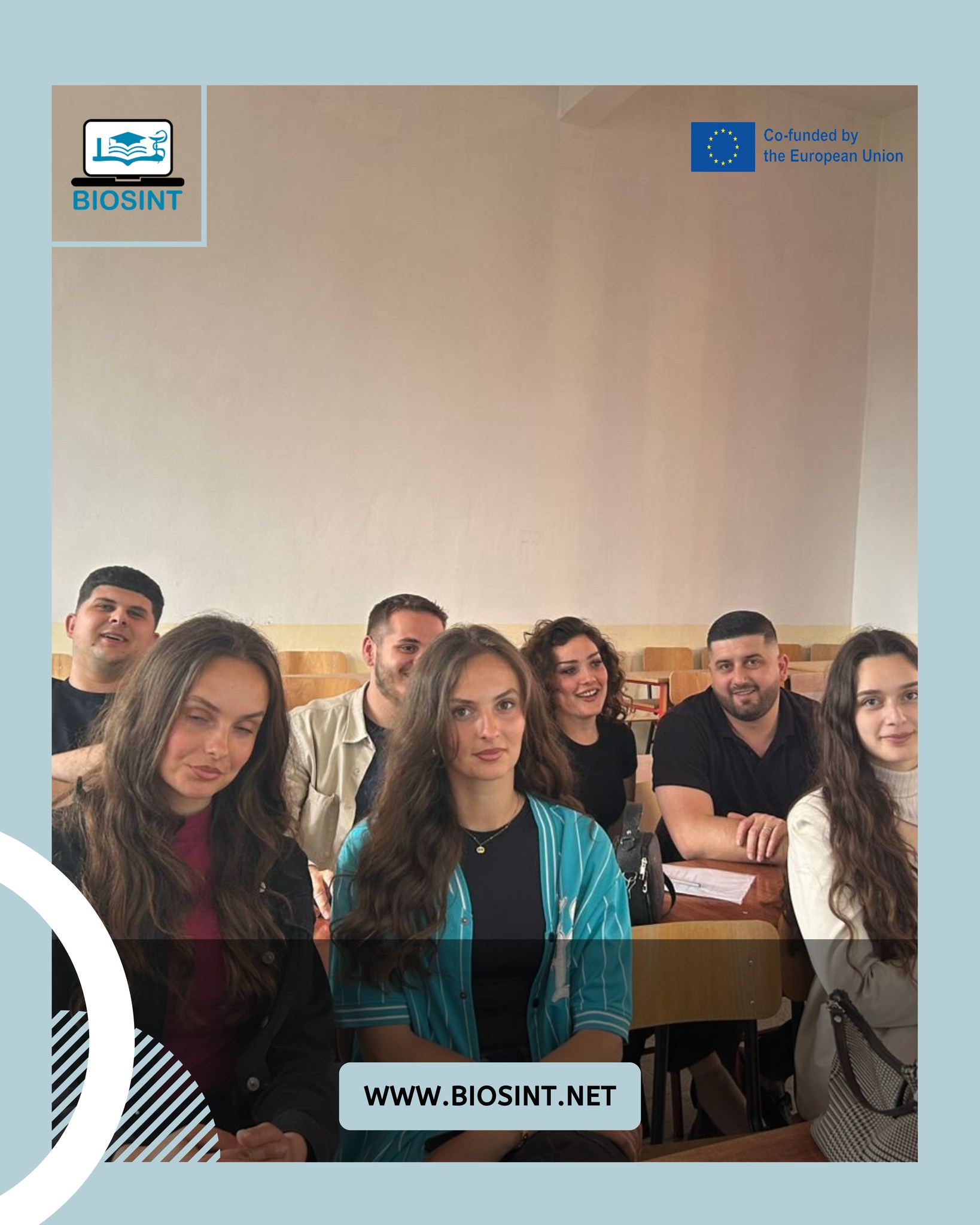
As part of the Personalised Medicine course, Assoc. Prof. Univ. Dr. Maria Danila delivered a highly informative and clinically relevant lecture on the "Impact of Pulmonary Rehabilitation Programs in Patients with Pulmonary Diseases."
Dr. Danila began by outlining the key outcomes and measures of pulmonary rehabilitation, emphasizing improvements in lung function, exercise capacity, quality of life, and reduction in hospital admissions. She highlighted how structured rehabilitation programs play a central role in the long-term management of chronic respiratory diseases.
The lecture then explored the application of personalised pulmonary rehabilitation strategies tailored to specific conditions. For COPD (Chronic Obstructive Pulmonary Disease), Dr. Danila discussed how individualized exercise plans, education, and behavioral interventions can significantly improve symptom control and daily functioning.
For asthma, she addressed the role of customized rehabilitation programs in enhancing respiratory control, reducing exacerbations, and improving treatment adherence. Dr. Danila emphasized the importance of integrating patient-specific triggers and comorbidities into the rehabilitation plan.
In the context of pulmonary fibrosis, the lecture focused on how carefully adapted rehabilitation programs can help preserve lung function, maintain physical activity, and support mental well-being, despite the progressive nature of the disease.
Throughout the session, Dr. Danila underscored the value of personalised approaches that consider individual patient characteristics, disease stage, and functional status, reinforcing how precision medicine is reshaping respiratory care and rehabilitation practices.
This lecture equipped students with essential knowledge on tailoring pulmonary rehabilitation to optimize outcomes for patients with various chronic lung diseases.